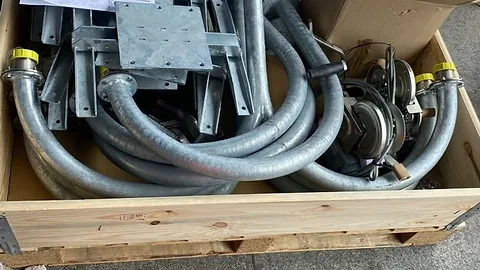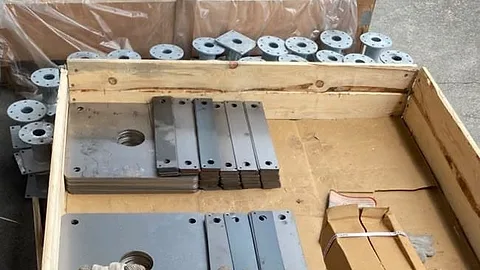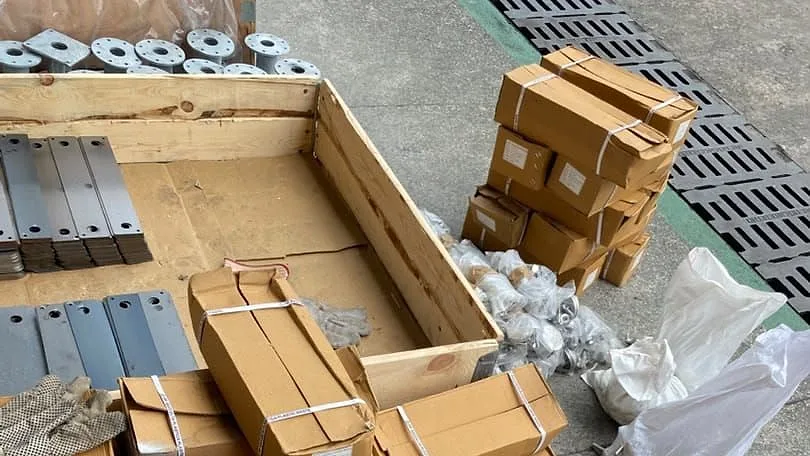
Flanges connect pipes, valves and equipment so that they can be assembled and taken apart for maintenance. A flanged joint is only as good as its three parts: the flanges, the gasket and the bolting. Getting any of them wrong can cause leaks.
Common flange types
- Weld neck: a tapered hub welded to the pipe; strong and suited to high pressure and temperature
- Slip-on: slides over the pipe and is fillet welded; simpler and economical for lower pressures
- Blind: closes the end of a pipe or nozzle
- Socket weld and threaded: used for small-bore piping
- Lap joint: used with a stub end where flanges need to rotate for alignment
Flange faces
The face must match the gasket type. Common faces are raised face (RF), flat face (FF) and ring type joint (RTJ) for high-pressure service.
Pressure classes
Flanges are rated in pressure classes, for example 150, 300, 600, 900, 1500 and 2500 under ASME B16.5 for common sizes. Mating flanges must have the same class, size and face.
Gasket options
- Non-metallic gaskets such as compressed fibre or PTFE for lower pressures and temperatures
- Spiral wound gaskets combining metal and filler for a wide range of services
- Metallic ring joints for RTJ flanges in high-pressure service
What to confirm when ordering
- Flange type, size and pressure class
- Face type and finish
- Material grade and standard
- Bore or schedule, to match the pipe
- Gasket type, material and dimensions to suit the flange
- Matching stud bolts and nuts
Source complete flange packages
DE'ES CREST LIMITED supplies flanges, gaskets and bolting together so that the parts arrive as a matched set, as part of our pipes, valves, bolts and industrial materials service. For background on pipes and valves, read our pipe materials guide and valve types explained. Request a quote for your flange schedule.