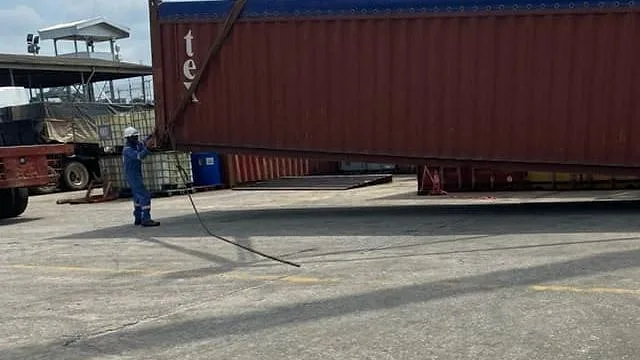
Personal protective equipment (PPE) is the last line of defence against workplace hazards. It works only if it suits the hazard, fits the person and is available whenever it is needed.
Start with a hazard assessment
PPE should follow a risk assessment. Identify the hazards for each task (falling objects, chemicals, noise, dust, hot work, electricity) and remember that PPE supports, rather than replaces, engineering and procedural controls.
Main categories of PPE
- Head protection: safety helmets suited to the task, with chin straps for work at height
- Eye and face protection: safety glasses, goggles for chemicals and dust, face shields for grinding
- Hand protection: gloves matched to the hazard, such as cut, chemical, heat or electrical
- Foot protection: safety boots with toe protection and suitable soles
- Hearing protection: earplugs or earmuffs in noisy areas
- Respiratory protection: masks or respirators selected for the specific dust, fume or vapour
- Body protection: coveralls, high-visibility clothing and flame-resistant garments where required
Buying PPE well
- Specify the standard or rating required for each item.
- Order a range of sizes: PPE that does not fit is often not worn.
- Check shelf life for items such as respirator filters.
- Keep minimum stock levels so that replacements are always available.
- Train users on correct use, care and replacement.
PPE is part of MRO planning
PPE is consumed steadily, so it belongs in the same plan as other operating supplies. See what are MRO supplies? for a wider view.
PPE supply from DE'ES CREST LIMITED
We supply PPE and safety materials through our MRO and industrial supplies service, and PPE and infection-control products for healthcare through our medical and laboratory supplies. We support oil & gas and construction sites. Request a quote for your PPE list.