Issuing a purchase order does not guarantee that materials will arrive on time. Expediting is the active follow-up of orders after they are placed, so that problems are found early and dealt with before they delay the project.
Why orders arrive late
- the supplier's production or stock position changes
- documents or approvals are delayed
- shipping and customs clearance take longer than planned
- items arrive incomplete or do not match the specification
- delivery to site is not coordinated with site access and offloading
What good expediting involves
- Confirming the order: the supplier acknowledges specifications, quantities, price and delivery date.
- Tracking milestones: production, inspection, dispatch and shipping.
- Following up documentation: certificates, packing lists and shipping documents.
- Flagging risks early so alternatives can be arranged.
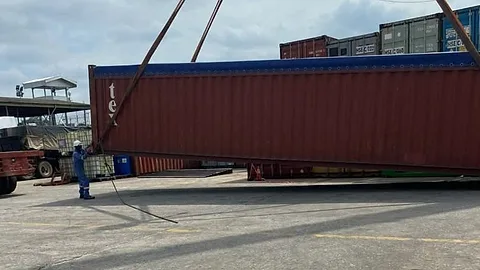
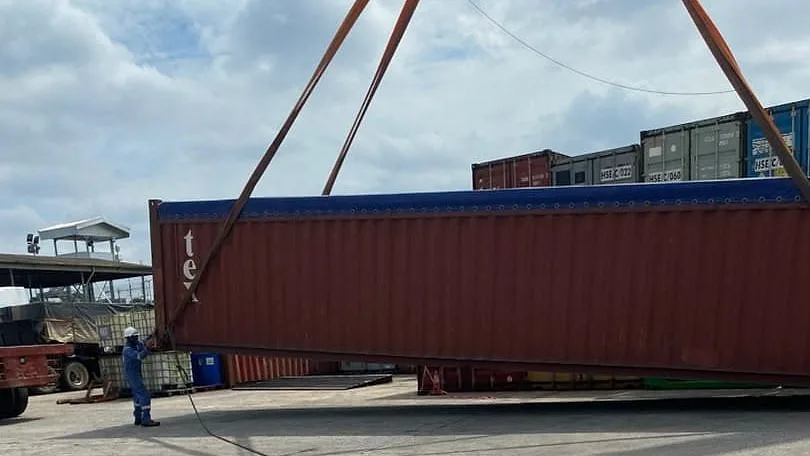
- Coordinating delivery with the site: timing, access, offloading equipment and receiving inspection.
Prioritise critical items
Not every order needs the same attention. Focus expediting effort on long-lead and critical items that would stop work if delayed, particularly for oil and gas projects and planned shutdowns.
Receiving and inspection
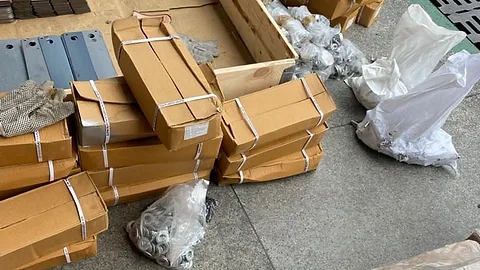
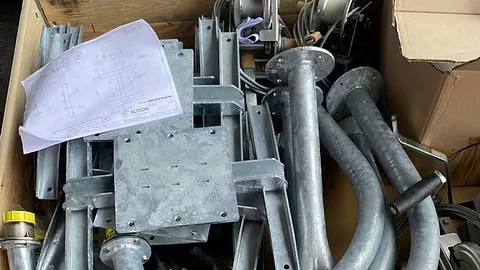
On arrival, check quantities, condition, markings and documents against the purchase order before materials are accepted.
Expediting with DE'ES CREST LIMITED
Expediting, logistics coordination and delivery are part of our procurement and supply chain solutions, supporting oil & gas, construction and manufacturing clients. Related reading: local vs international sourcing in Nigeria. Request a quote.